
Why Trade Shows Alone Cannot Sustain Industrial Growth
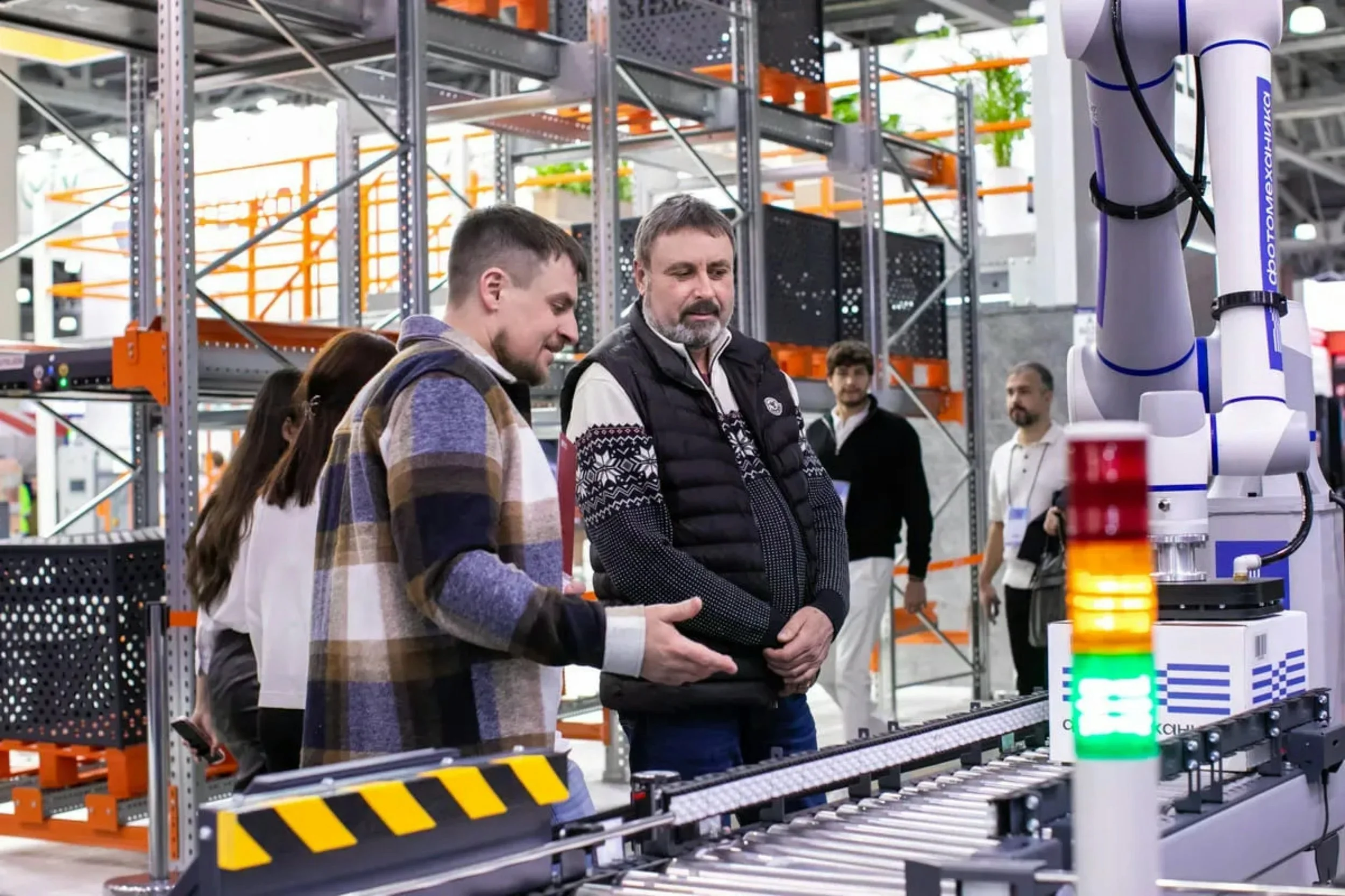
For decades, trade shows have been the cornerstone of marketing in the industrial machinery sector.
Walk into any major exhibition—rows of heavy equipment, live demos, engineering conversations, and handshake-driven relationships. Deals have been initiated, partnerships formed, and brands built on the back of these events.
But today, many C-level leaders are quietly asking:
“Why are we investing heavily in trade shows, yet not seeing consistent growth?”
The answer is not that trade shows have lost relevance.
The answer is that they are no longer sufficient on their own.
The Trade Show Legacy — And Its Limitations
Trade shows were historically effective because they solved three critical challenges:
Discovery: Buyers could explore multiple suppliers in one place
Trust-building: Face-to-face interaction established credibility
Demonstration: Machinery could be experienced physically
However, the industrial buying landscape has fundamentally changed.
Today, trade shows represent only a small part of a much larger buyer journey.
A Story Many Machinery Manufacturers Will Recognize
A mid-sized machinery manufacturer participates in three major trade shows annually.
Significant investment in stall design, logistics, and manpower
Hundreds of visitors at the booth
Dozens of “leads” collected
Yet, six months later:
Only a handful of those leads convert
Sales teams struggle to follow up effectively
Pipeline remains inconsistent
Meanwhile, competitors who invest in digital presence seem to generate inbound inquiries throughout the year.
What changed?
The Shift: Buyers No Longer Start at Trade Shows
Modern industrial buyers—plant heads, engineers, procurement leaders—do not begin their journey at exhibitions anymore.
They begin with:
Online research
Peer recommendations
Technical content consumption
By the time they walk into a trade show, many have already:
Defined their problem
Shortlisted potential suppliers
Formed initial preferences
Trade shows are no longer the starting point. They are the validation stage.
If your company is not part of the buyer’s early research phase, you may never make it to their shortlist.
The Core Problem: Event-Centric Marketing
Many machinery manufacturers unknowingly operate on an event-centric marketing model:
Marketing peaks around exhibitions
Activities slow down between events
Lead generation is episodic, not continuous
This creates three major risks:
1. Inconsistent Pipeline
Growth becomes dependent on event cycles rather than ongoing demand generation.
2. High Cost Per Opportunity
Trade shows involve:
Stall costs
Travel and logistics
Opportunity cost of team time
Without strong conversion systems, the cost per qualified lead becomes extremely high.
3. Weak Lead Nurturing
Leads collected at exhibitions often lack:
Context
Qualification
Follow-up structure
As a result, valuable opportunities fade away.
The Visibility Gap: What Happens Before the Event
One of the most overlooked realities is this:
The most important part of the buyer journey happens before the trade show.
Buyers are actively searching for:
Solutions to production challenges
Ways to improve efficiency
Proven case studies
Trusted suppliers
If your company does not appear during this phase, competitors who invest in digital visibility and thought leadership gain a significant advantage.
Trade Shows Are Not the Problem — The Strategy Is
It is important to clarify:
Trade shows are still valuable. But their role has changed.
Instead of being the primary growth engine, they should function as:
Relationship accelerators
Trust-building platforms
Deal progression environments
The companies seeing the best results are those that integrate trade shows into a broader marketing system.
The New Model: Always-On Industrial Marketing
To sustain growth, machinery manufacturers need to move from event-based marketing to continuous demand generation.
This involves three strategic shifts.
1. Build Visibility Before the Trade Show
Ensure your company is present when buyers are researching.
This includes:
SEO-driven content targeting industry problems
Educational blogs and insights
LinkedIn thought leadership
Technical whitepapers and case studies
Objective:
Become known before the buyer enters the exhibition hall.
2. Maximise Engagement During the Event
Instead of collecting generic leads, focus on meaningful conversations.
Pre-schedule meetings with high-potential prospects
Use content to guide discussions
Qualify leads based on real business needs
Objective:
Turn booth interactions into qualified opportunities, not just contacts.
3. Nurture Leads After the Event
The real value of a trade show is unlocked after it ends.
This requires:
Structured follow-up sequences
Educational email content
Sales enablement materials
Ongoing engagement through insights
Objective:
Convert interest into pipeline.
The Strategic Advantage of Integrated Marketing
When trade shows are supported by a strong marketing ecosystem, companies experience:
Higher quality leads
Shorter sales cycles
Better brand recall
Increased inbound inquiries
Most importantly, growth becomes predictable rather than episodic.
A Shift in Leadership Thinking
For C-level executives, this is not just a marketing adjustment—it is a strategic shift.
The key question is no longer:
“How many trade shows should we participate in?”
But rather:
“How do we ensure our company is visible throughout the buyer journey?”
Final Thoughts
Trade shows will continue to play an important role in industrial marketing.
But relying on them alone is like relying on seasonal rainfall to sustain a factory.
Growth today requires a continuous flow of demand, visibility, and engagement.
Machinery manufacturers that evolve beyond event-centric marketing will not only generate more opportunities—but will also position themselves as trusted partners in their industry.
If you’re evaluating how to reduce dependency on trade shows and build a predictable pipeline, we can help you:
Assess your current marketing effectiveness
Build a demand generation strategy tailored to your industry
Create a system that delivers qualified opportunities consistently